Complications
Fistulas, abscesses, narrowing of the bowel, anaemia, and the ways Crohn's can affect joints, eyes, skin and bones.
8 articles, in reading order
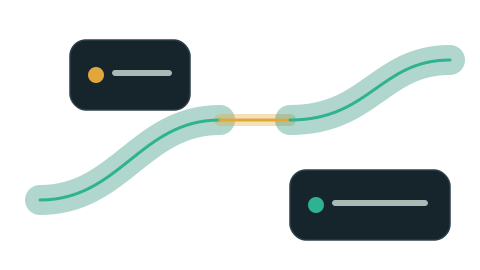
- Perianal Crohn's and fistulas Crohn's can affect the skin and tissue around the bottom, causing skin tags, small tears, abscesses and fistulas (small tunnels to the skin). Fistulas rarely heal on their own, but a mix of medicines and surgery, often including a soft drainage thread called a seton, can control them.
- Abscesses An abscess is a painful collection of pus. In Crohn's they most often form around the bottom, but deep ulcers can also cause them inside the tummy. Most need draining, and a high temperature with pain and swelling needs urgent help.
- Strictures and blockages A stricture is a narrowed section of bowel caused by inflammation, scar tissue or both. It can make it hard for food to pass and, if tight enough, cause a blockage. Treatments range from medicines and diet changes to stretching the narrowing with a balloon or surgery.
- Anaemia, iron and vitamin B12 Anaemia means your blood carries less oxygen than it should, and it is one of the most common complications of Crohn's. It is usually caused by low iron, but low vitamin B12 or folate can also be to blame. It can be treated, so it should not be accepted as just part of having Crohn's.
- Joints, eyes and skin Crohn's can cause problems well beyond the gut, most often in the joints, eyes and skin. Some flare along with your bowel and settle with Crohn's treatment; others run their own course. Painful red eyes or changes in vision need checking the same day.
- Bone health and osteoporosis People with Crohn's are more likely to have thinner, weaker bones, which break more easily. Inflammation, steroids, low calcium and vitamin D, and bowel surgery all play a part. Bone loss has no symptoms, so it helps to know your risk and what you can do about it.
- Bowel cancer risk and check-up colonoscopies Crohn's that affects the large bowel (colon) raises the risk of bowel cancer a little, mostly after many years. Crohn's that stays in the small bowel does not. People at higher risk are offered regular check-up colonoscopies to find early changes, and UK guidance on when to start differs slightly.
- Bile acid diarrhoea Bile acids help digest fat and are normally soaked back up at the end of the small bowel. If Crohn's has inflamed or removed that part, they spill into the large bowel and cause watery, urgent diarrhoea. It is common, often missed, and usually treatable with medicines called bile acid binders.